


75 years of BUSS Kneader technology
At BUSS we are happy to celebrate a special anniversary this year. 75 years ago, on August 20, 1945 to be precise, patent applications were filed for the BUSS Kneader technology. The inventor of this technology for continuous compounding of plastics, Heinz List, is still considered a pioneer of process technology today. BUSS history is closely linked to List, for it was here that he brought the technology to market maturity and developed it further during 20 years as technical director. To this day, BUSS compounding systems operate according to the continuous Kneader principle.
Read more about the special features of the BUSS Kneader technology, about gentle compounding with high mixing efficiency and about the good scalability of the continuous Kneader in the compounding process in the detailed technical article published in the “Kunststoffe” magazine by Carl Hanser Verlag, Munich, in October 2020. The authors give insight into the process technology and its advantages. They explain how compounding technology has developed over the decades, its special status in the plastics industry today as an allrounder and as the first choice for demanding compounding tasks. And they give an outlook on how the BUSS Kneader technology will develop in the future in the context of ever more specific requirements.
Learn more about BUSS Kneader technology in this technical paper.
(Reading time is about 10 minutes).

We publish with permission of Carl Hanser Verlag, Munich.
Das könnte Sie auch interessieren…

Cold winter, hot talks – BUSS at the Interplastica in Moscow
Russia in winter is not for everyone, but our BUSS team is having a great time at the Interplastica in Moscow.
BUSS in motion – CEO Dr. Philip Nising on the company’s journey
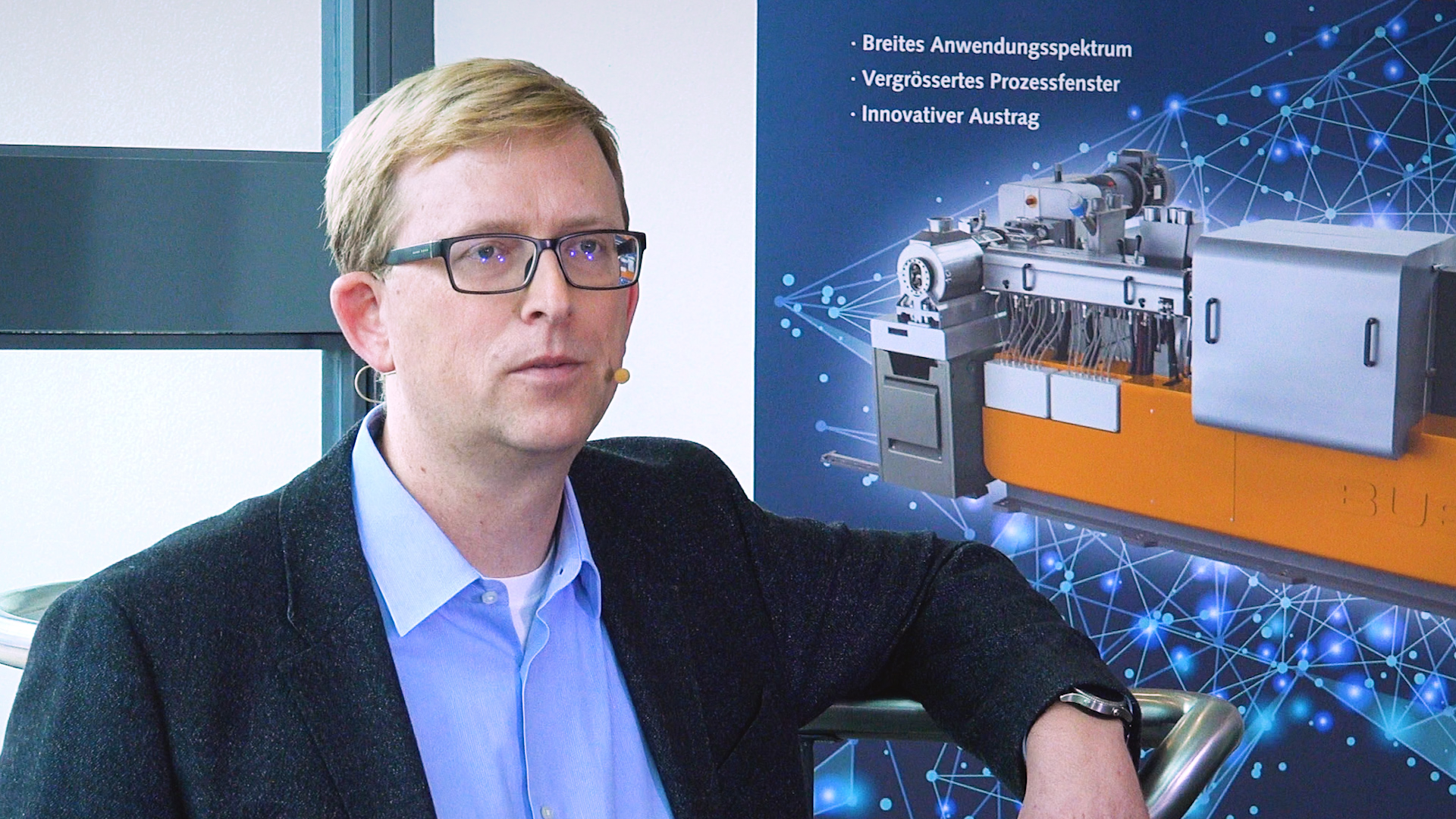
Dr. Philip Nising, the CEO of BUSS, looks back at our journey of the last months and years, developing COMPEO, the flagship of BUSS innovation and engineering.
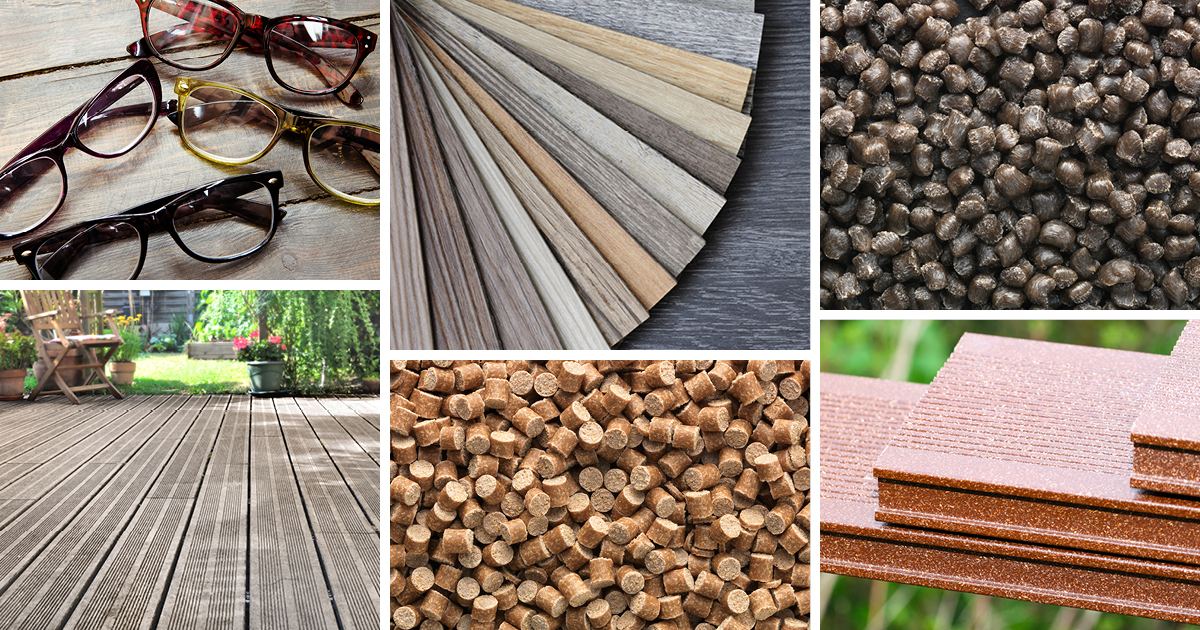
COMPEO special: What’s wood got to do with it?
For thousands of years mankind used wood to build houses, wagons, bridges and ships. Other natural fibers likes flax and hemp were made into ropes, sails and corn sacks. And what exactly does that have to do with compounding?


