


ブッスに新COOが着任
A change in management
Shinya Tanehashi becomes General Manager at BUSS Japan
New BUSS leadership in the Japanese market for compounding systems from January 2025
At the beginning of 2025, a major change in the leaderhsip of BUSS Japan took place. Shinya Tanehashi succeeds Kazuhiko Hirai as General Manager of BUSS Japan as of January 2025. Kazuhiko Hirai, who has rendered outstanding services to BUSS as a manager for many years, is now retiring.
Shaping the future together
Shinya Tanehashi has more than 20 years of experience in sales, business management and leadership roles in the manufacturing and engineering industry. His experience from working for several multinational companies in Japan, China and Europe gives him the necessary global perspective for BUSS. Shinya Tanehashi’s expertise and strategic vision will further strengthen BUSS’ position in the Japanese market and beyond.

New General Manager wants to drive growth forward
“I am very much looking forward to my new role. In my new role as General Manager, I want to contribute to the growth of BUSS and further expand BUSS‘ position in the Asian market,” says Shinya Tanehashi, expressing his excitement and motivation for his new position at BUSS Japan.
More news about BUSS worldwide, its products, developments and innovations can be found here and on LinkedIn.
Das könnte Sie auch interessieren…
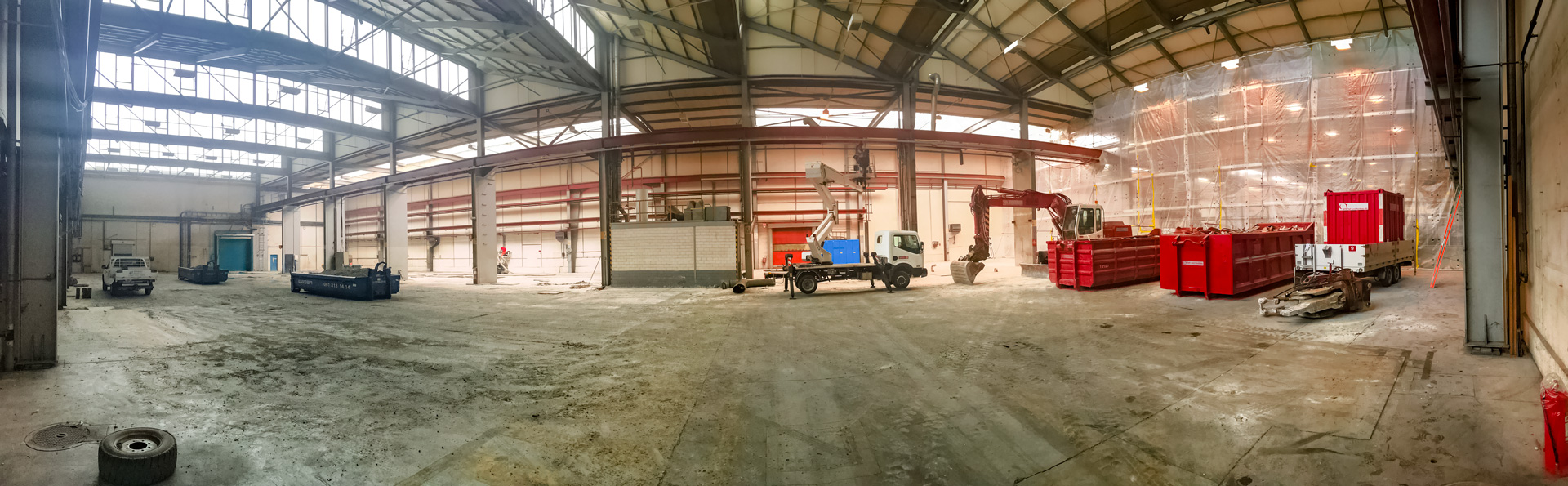
Start Refurbishment
At BUSS, we’re proud to announce the start of refurbishment works for our machine assembly hall!
COMPEO – compounding technology for the polymers industry
With COMPEO, the state-of-the-art compounding machine from BUSS, you lay the foundation for reinforced end products which are more scratch-resistant, more flame-retardant, and more weather-resistant — while saving resources.
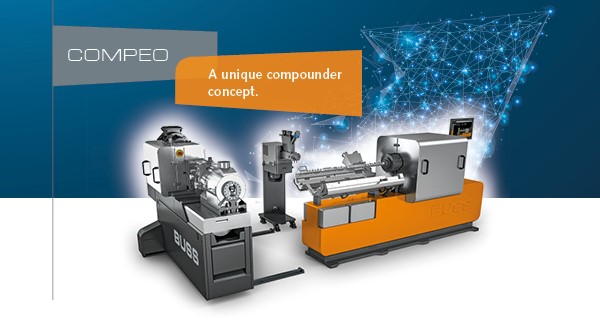
COMPEO – A unique compounder concept for the polymer industry
The state-of-the-art compounding technology of COMPEO meets the extremely high requirements of the polymer industry: a wide range of applications, a large operating window, high flexibility and robustness, as well as consistent process stability, but also operational and operator safety, energy efficiency and reduced operating costs.


