


From empiricism to systematic interpretation
Simulation helps to predict Buss Kneader mixing behaviour
For 75 years, Buss Kneaders have excelled in the preparation and modification of highly filled, temperature and shear-sensitive plastics, especially with stringent mixing specifications. Determination of the optimum design and arrangement of the kneading elements in each case is usually based on experience or trials in the pilot plant. Due to the process complexity, there have only been a few systematic investigations on which to base analytical and numerical models for computer-aided optimisation. The problem lies in precisely defining and mathematically modelling the processes taking place in the co-kneader, where longitudinal mixing is axially superimposed on radial mixing due to the combination of oscillating screw movement with spatial interruptions of the screw flights and interactions with the kneading pins.
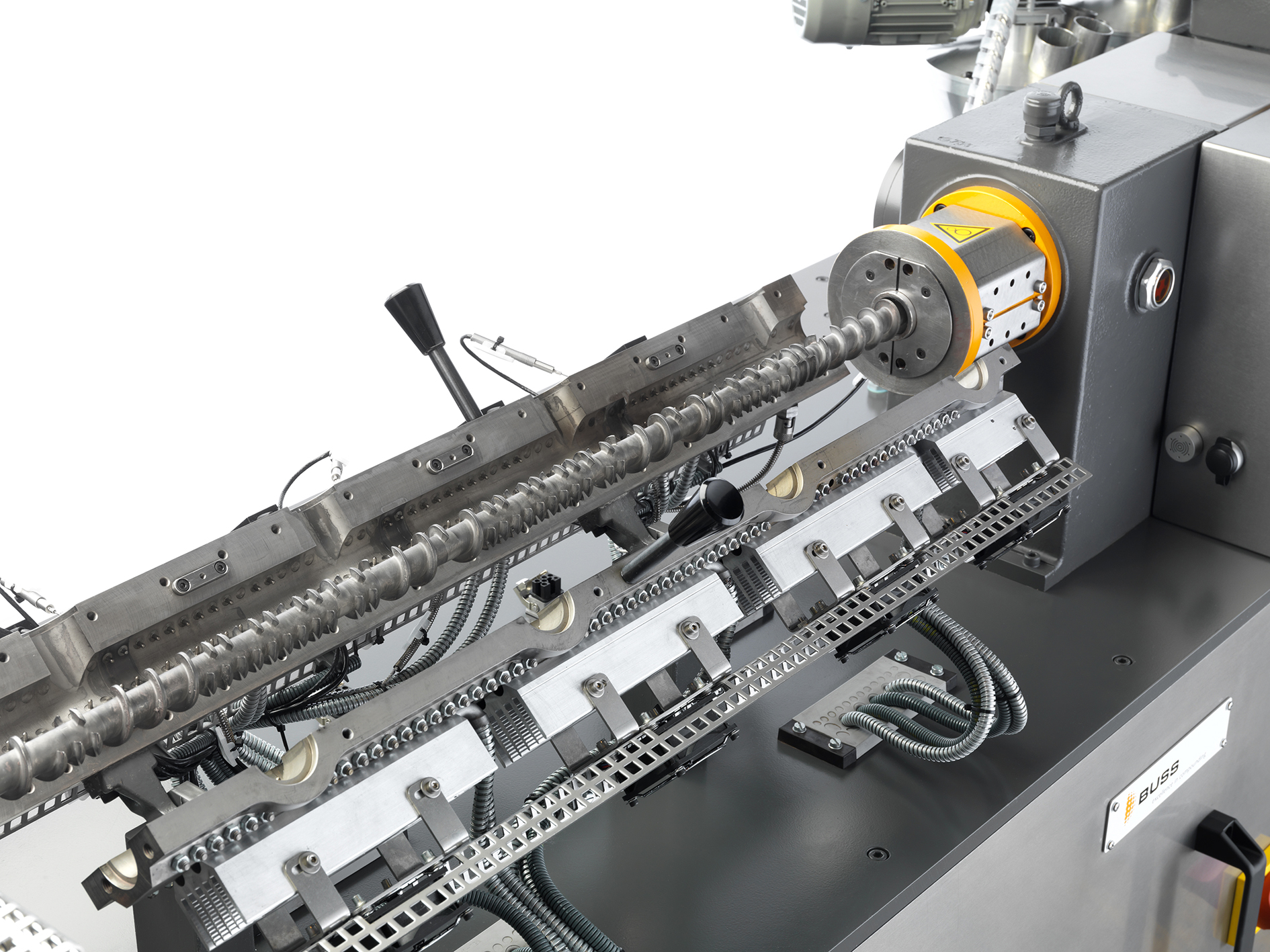
Recently, a consortium of the Institute of Polymer Technology (IKT) at the University of Stuttgart and the Kunststoff-Zentrum (SKZ) in Würzburg has taken first steps to efficiently predict[1] the mixing behaviour of co-kneaders. Their systematic process investigations, both experimental and theoretical, show good agreement and contribute significantly to clarifying the process engineering sequences in the co-kneader.
Laboratory test results
Investigations with two different matrix materials on a Buss laboratory Kneader MX 30 served as basis for the validation of modelling and simulations. Screw elements with different flight geometries were examined, and the number of kneading pins, speed and throughput were varied. For a deeper understanding of the processes involved, the authors recorded melt transport, full fillings, backflow lengths and residence times using measurements of the local filling level, which influences both the dwell time and extruder performance.
Calculation results
At the same time, numerical flow simulations were used to resolve experimentally undetectable variables such as flow direction and shear rate. Analytical calculation models delivered process variables such as temperature and input power along the extruder.
Within the scope of numerical modelling, different kneading flight positions were sectioned and simulated, whereby the superimposed oscillating screw stroke at constant rotary speed was also taken into account. In total, two different kneading elements were simulated for each of two machine types and then compared with regard to the resulting velocity fields and shear rates.
For analytical modelling, the geometry was split up into short sections and then described with parameters such as number, height and width of screw channels, number of pins, and width of the interruption between kneading flights. Together with melt material data, these parameters were used in order to ultimately calculate process variables. This model considers several variables relevant to the design, such as dwell time, melt temperature, filling level, power input and pressure over the entire extruder length.
The numerical simulations were evaluated qualitatively based on the velocity field, and quantitatively by calculating the mean shear rate. The assumptions made reflect practical experience, which means that initial tendencies can thus be predicted using quantitative data.
For the analytical calculation, a tool was created that enables 1D simulations with the developed co-kneader models on the basis of melt material, geometry and processing parameters. Comparing the calculated pressure, filling level and mixing characteristics with the test results showed good agreement. The authors report that – taking into account the simplifications made for modelling – there was also good agreement between calculation and test data with regard to dwell times, power input and mass temperature.
Promising results
These investigations enable identification of the significant process parameters, thereby clarifying the interactions in the co-kneader between machine configuration, kneading characteristics and materials. The simplified calculation models can depict initial tendencies in variations of geometry and influencing factors. Now for the first time, their implementation in a simulation tool enables important process variables in the co-kneader to be predicted in a few seconds. Even though only the simulations for the laboratory co-kneader have been validated, results already enable the accompanying use of simulations for the design configuration of co-kneader compounding processes.
[1] Jochen Kettemann et al.: Understanding Kneading Holistically. Kunststoffe 8/2020, p. 42 ff.
Das könnte Sie auch interessieren…
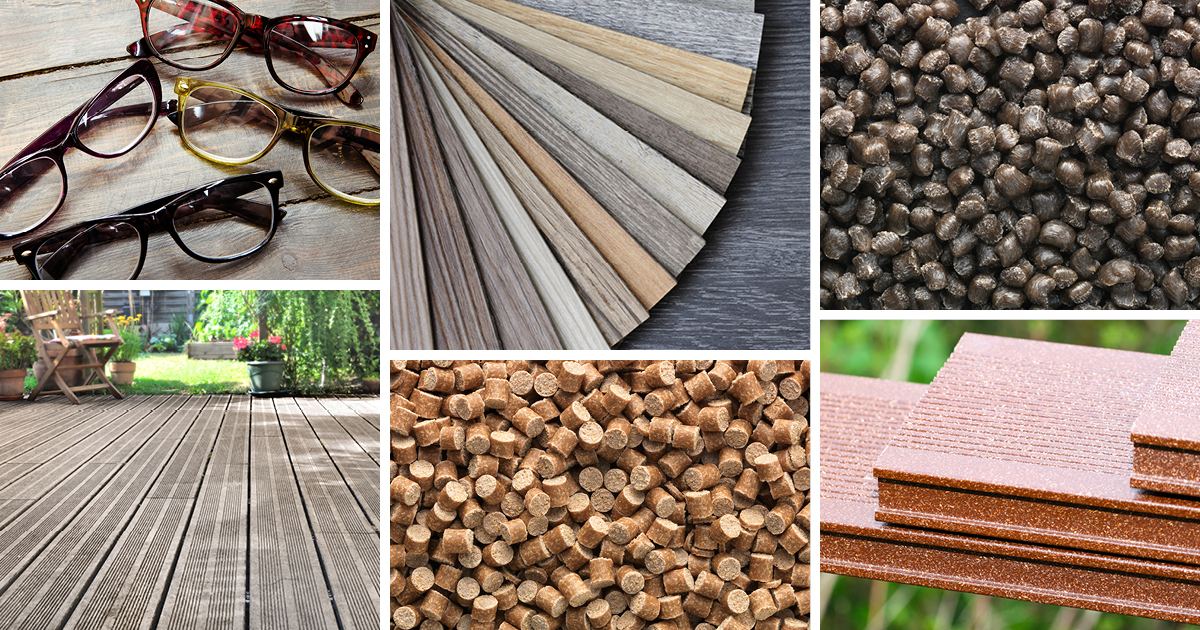
COMPEO特集: 木材との関係は?
何千年もの間、人類は木材を使って家、馬車、橋、船を造ってきました。亜麻や麻などの天然繊維はロープ、帆布、穀物袋の素材となりました。こうした歴史はコンパウンディングとどのように関係するのでしょう。
動画で見るブッス – Philip Nising CEOによるCOMPEOの紹介
2018年のブッスのハイライトは、新世代向け新型混練機「COMPEO」が順調な滑り出しです。ブッスのスタッフは2年間この目標に向かってたゆまない努力を続けてきました。
動画で見るブッス – Philip Nising CEOによる会社紹介
ビデオシリーズ第一弾では、Philip Nising CEOが当社について語ります。


