


Project Successes In China
BUSS has demonstrated its expertise in the demanding production of HV-XLPE cable insulation materials (cross-linked polyethylene for high voltage): the company has successfully completed projects with Chinese customers from State Grid Corporation of China (the world’s largest energy supply company), Wanhua, Wanma, and Dewei.
Cutting-edge Technology For The Cable Industry
This application places extremely high demands on the quality, purity, and performance of the materials and the systems used. With its kneading technology, BUSS has extensive experience in processing temperature-sensitive materials. This takes place at moderate and uniform shearing speeds.

Thanks to these uniform and moderate shear rates, a temperature below 200 °C can be maintained over the entire length of the process without the temperature peaks that occur in other systems. This reduces the degradation of the materials, which impairs the electrical properties of the end product.
All these customers know that BUSS supplies the best possible compounding technology for their application. Added to this is the local, competent service that these customers trust BUSS for the long term and have been able to successfully complete these projects.
Learn More
Typical plant layout for XLPE insulation material
Links
Das könnte Sie auch interessieren…
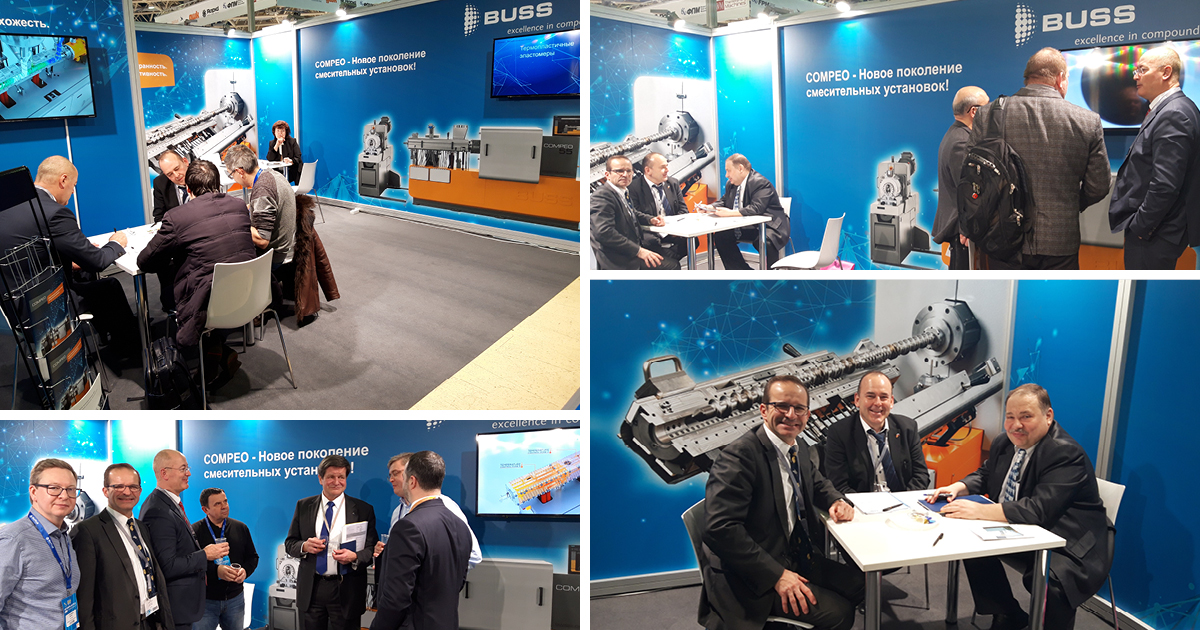
Eisige Winterkälte, dafür umso angeregtere Gespräche – BUSS auf der Interplastica in Moskau
Russland im Winter ist nicht jedermanns Sache, doch unser BUSS Team geniesst die Interplastica in Moskau in vollen Zügen.
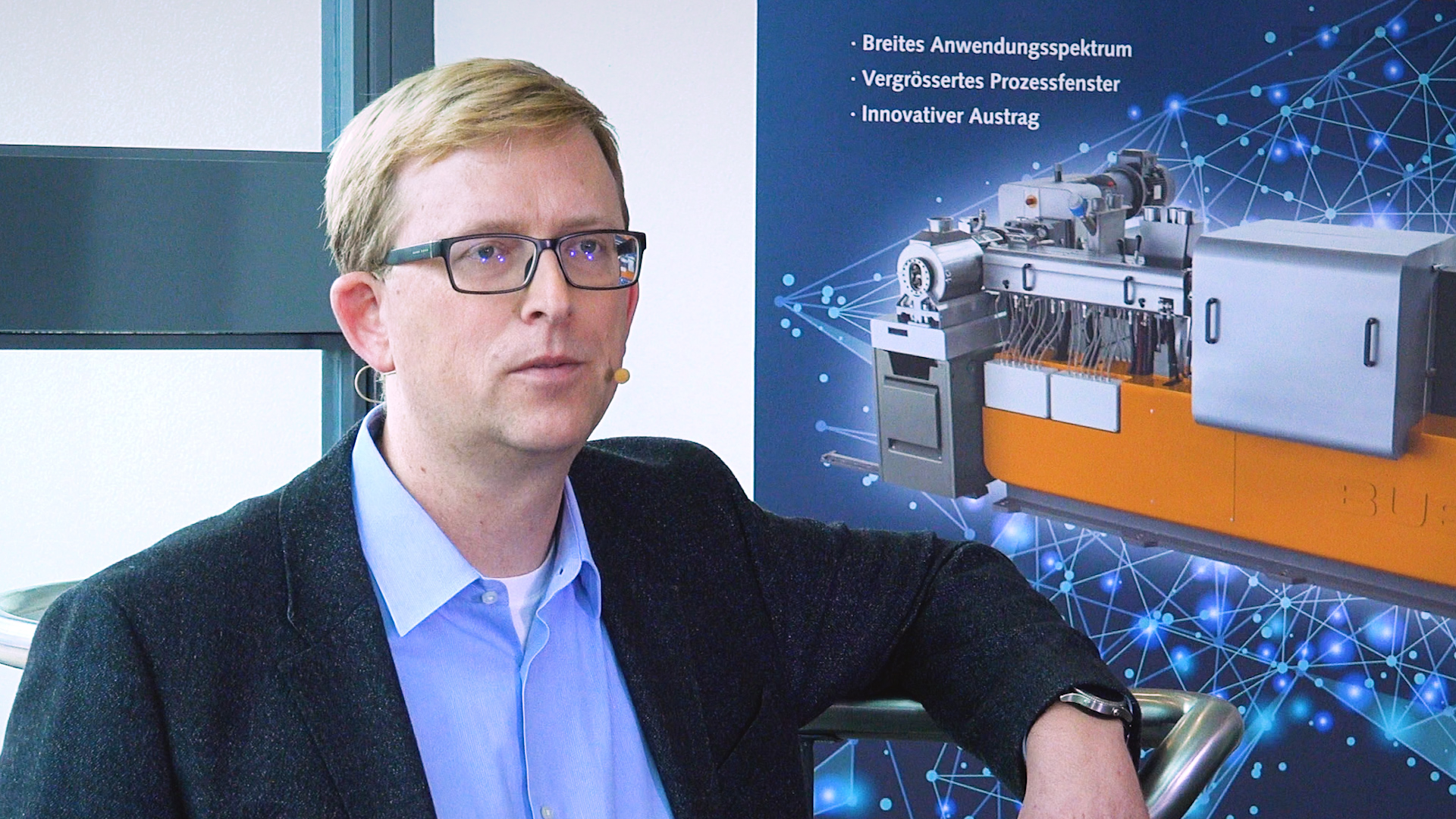
BUSS im Wandel – Geschäftsführer Dr. Philip Nising über den Werdegang des Unternehmens
Dr. Philip Nising, der Geschäftsführer von BUSS, blickt zurück auf unseren Werdegang der letzten Monate und Jahre, sowie auf die Entwicklung von COMPEO, dem Flaggschiff von BUSS Innovation und Ingenieurskunst.
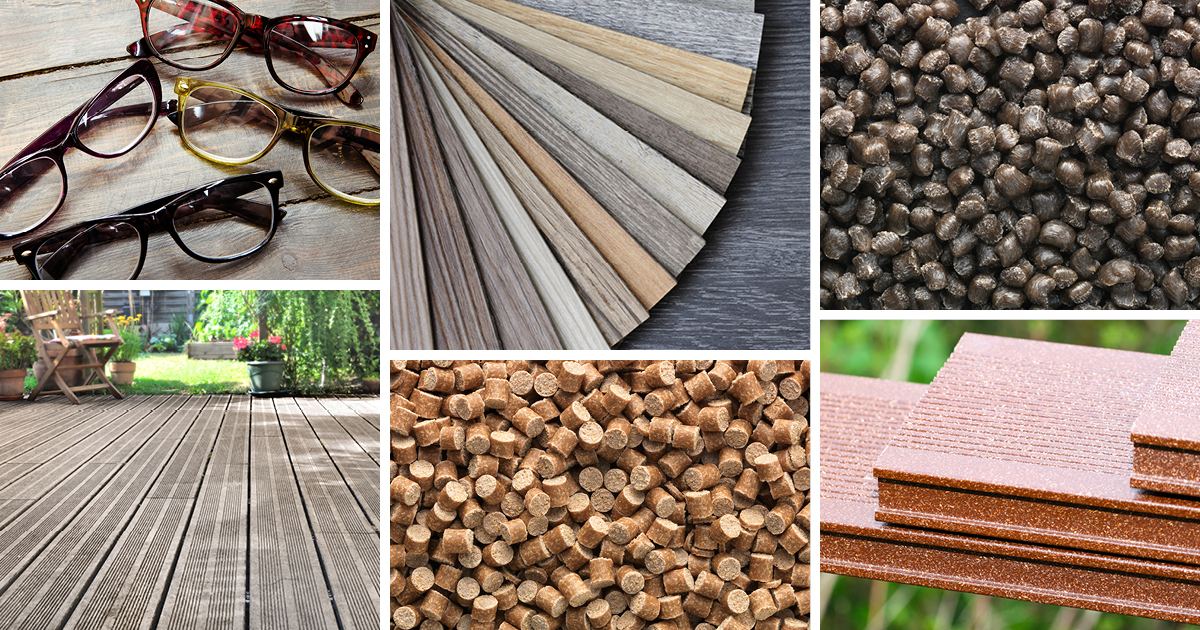
COMPEO Special: Was hat Holz damit zu tun?
Seit Jahrtausenden baut die Menschheit Häuser, Wagen, Brücken und Schiffe aus Holz. Andere Naturfasern wie Flachs und Hanf wurden zu Seilen, Segeln und Getreidesäcken verarbeitet. Aber was genau hat das mit Compoundieren zu tun?


